This is Yroun Daily Briefing for September 19. U.S.
Show full transcript
stock markets closed mixed today. Although Treasury yields broke through 5%, the Nasdaq and S&P 500 rose on strength in semiconductor stocks, while the Dow fell slightly. Nvidia's CEO forecast that chip sales would double next year, sending shares surging 3.9% and bolstering investor sentiment. Fed Chair Waller reaffirmed a hawkish stance, signaling at least three additional rate hikes, and U.S. Treasury yields entered the 5% range, deepening the tightening phase. Amid the domestic era of 2000 trillion won in household debt, mortgage rates are also approaching 6%, increasing repayment burdens. In energy markets, Saudi Aramco announced it would suspend crude oil supply to Europe starting next month due to repair issues on a pipeline damaged by a drone attack, introducing an upward variable to international oil prices that had been declining. As the war between the U.S. and Iran drags on, U.S. fiscal burden has exceeded $45.1 billion, and Korean defense and energy companies continue to benefit in Middle Eastern and European markets. The U.S. military was preparing a military operation targeting a Chinese vessel based on faulty intelligence generated by artificial intelligence, but discovered the error just before execution and halted the operation. In domestic industry, Samsung Electronics' enterprise-wide union is being reorganized around the semiconductor division, deepening wage gap conflicts with the non-semiconductor division. Hyosung Heavy Industries succeeded in localizing core HVDC technology, was selected for a KEPCO demonstration project, and secured new orders worth 9.3 trillion won. POSCO International acquired U.S. shale gas assets for 800 billion won, though concerns over increased financial burden have also been raised. In the real estate market, Seoul apartment prices have risen for 84 consecutive weeks, approaching an all-time record, with clear polarization as Gangnam area shows weakness while outer Gangbuk areas surge. Seoul's mayor pointed to declining jeonse supply as a cause of the president's falling approval rating, expanding political conflict between the ruling and opposition parties. In regional areas, unsold housing risk zones are shifting from Daegu and Incheon to Busan, Gwangju, and Jeju. In the financial sector, the merger and acquisition between Lotte Non-Life Insurance and Haetae HTB is set to move forward in earnest in late September, with large-scale capital movement expected. In the crypto asset market, JPYC, a yen-pegged stablecoin listed on Upbit, surged to four times its normal price before crashing, raising concerns over investor losses. The global real-world asset tokenization market has grown rapidly by 85 percent this year, expanding to a scale of 50 trillion won. Commodity funds saw an inflow of 1.2 trillion won over one month, with institutional investors' preference for commodities becoming pronounced. At the Tokyo Game Show, new titles from Korean game companies including Nexon, NCSOFT, and Netmarble drew 2-hour waiting lines, continuing their box-office momentum in the Japanese market. Domestic gasoline prices fell for the 18th consecutive week, holding at around 1858 won per liter, with additional cuts also planned at highway gas stations during the Chuseok holiday. In Ganghwa-gun, Incheon, an additional confirmed case of foot-and-mouth disease was recorded, marking the thirteenth case this year and increasing quarantine cost burdens for livestock farms. Meanwhile, Warren Buffett stepped down as Chairman of Berkshire Hathaway, announcing a management restructuring after 56 years.
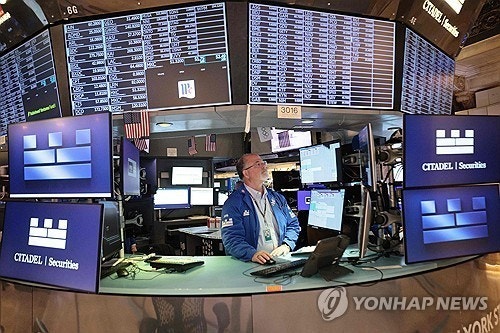 뉴욕증시 美 국채금리 상승에도 기술주 강세…혼조 마감연합뉴스
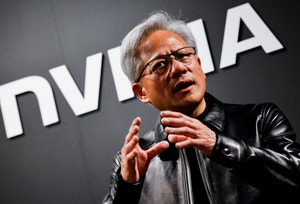 ‘서학개미 다시 엔비디아로’…“내년 칩 판매 올해 두 배” 젠슨황 한마디 후 주가 3.9%↑문화일보
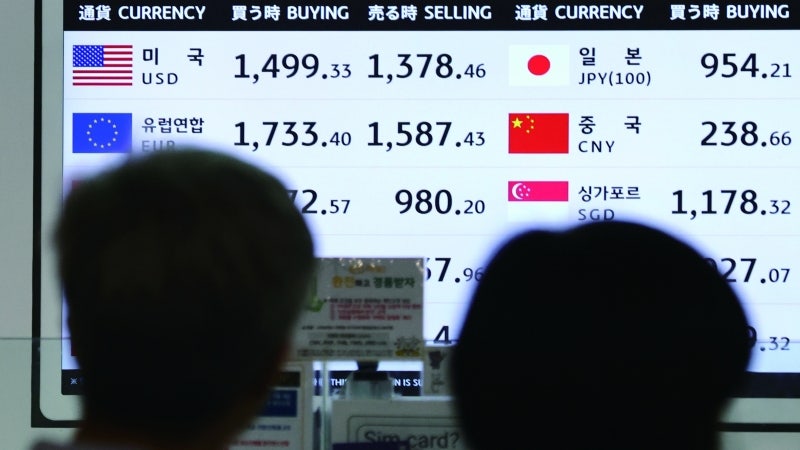 고금리 긴축 시대…정부·기업·가계 허리띠 졸라매야더스쿠프
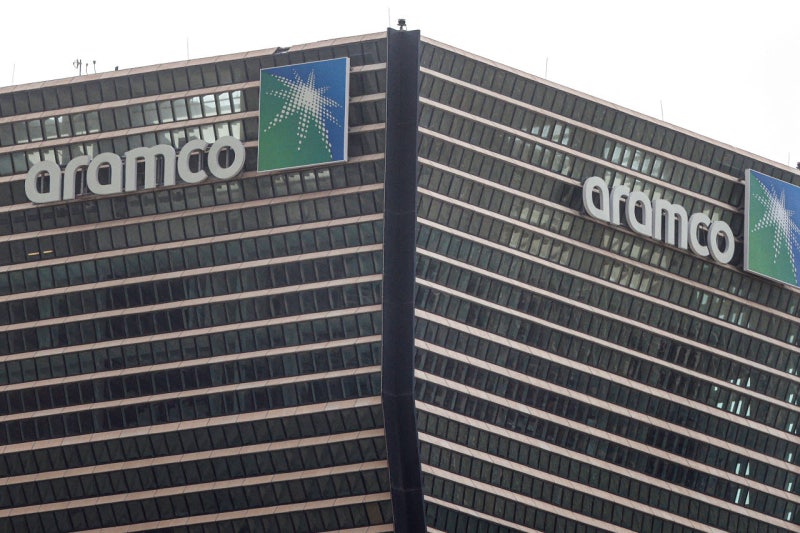 “다음달부터 기름 못 준다”…드론 맞은 사우디 유럽에 공급 중단이데일리
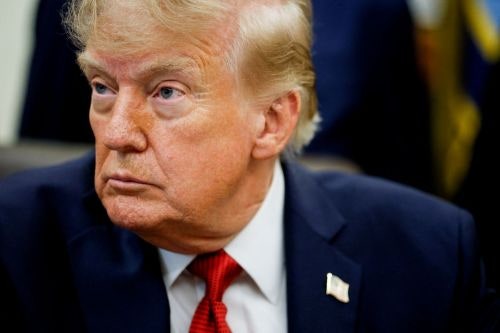 美 이란 전쟁에 451억달러 투입…기지 복구비용 등 빠져아시아경제
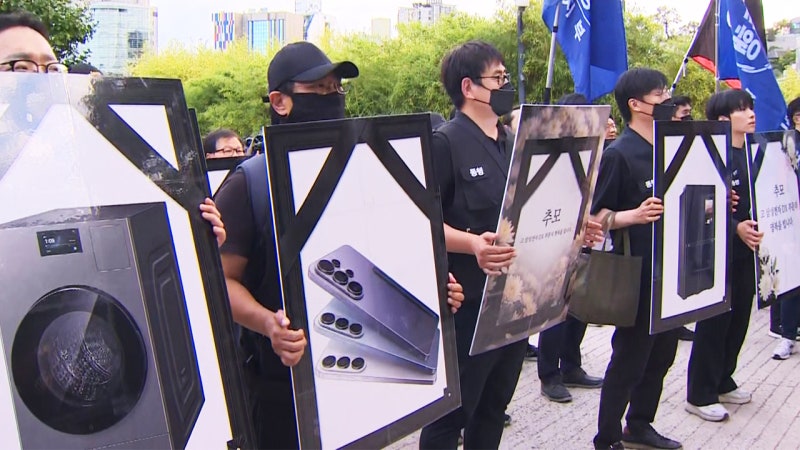 삼전 초기업노조 반도체 노조 전환…DX 간부 2명 불신임JTBC
 HVDC는 미래 전력망 핵심 효성 조현준 회장 선제적 판단 통했다비즈워치
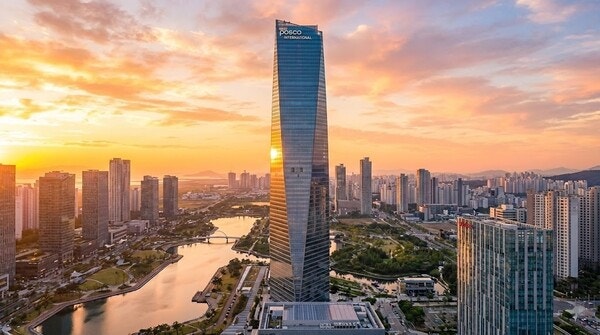 포스코인터 美 셰일가스 8000억 베팅 현금창출력 관건블로터
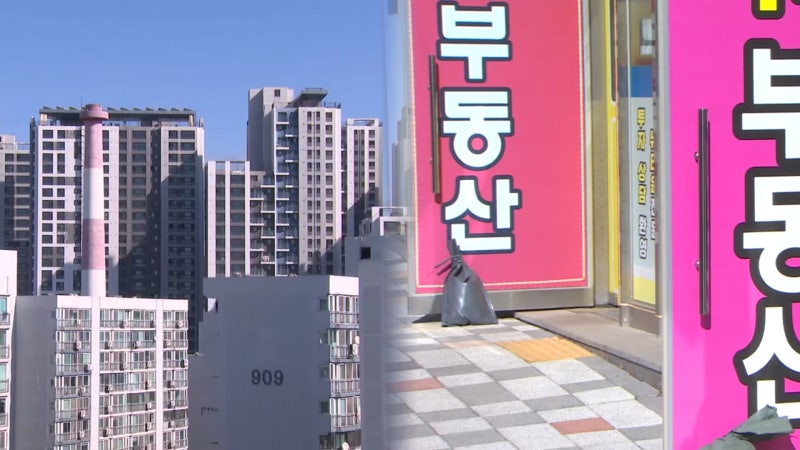 강남 꺾이자 강북 들썩…서울 집값 최장 상승 눈앞연합뉴스TV
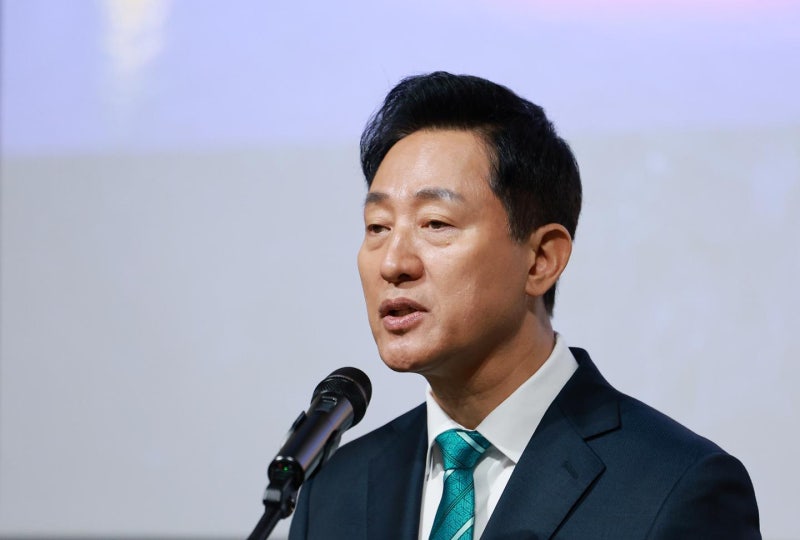 오세훈 부동산이 대통령 지지율 하락 원인…전세 물량 실종 책임져야한국일보
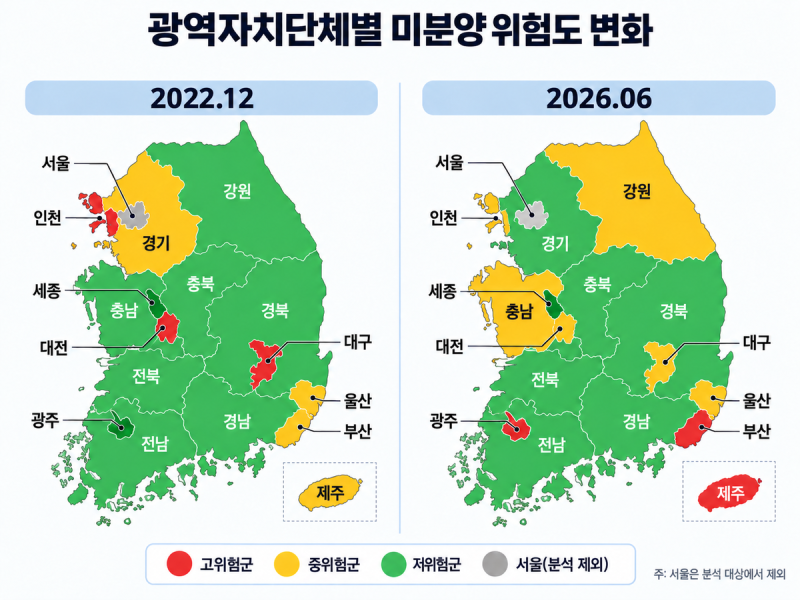 4년 만에 뒤집힌 ‘미분양 위험지도’…‘대·인·대’에서 ‘부·광·제’로국민일보
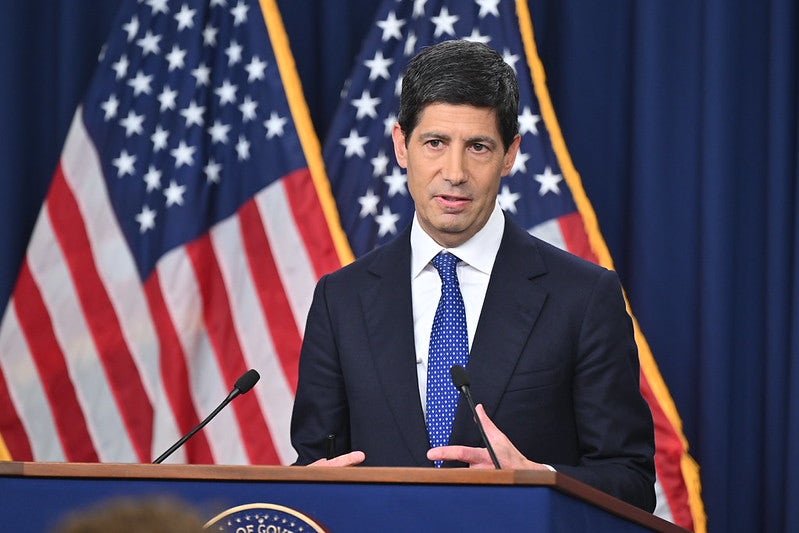 미국 금리인상 시작…내 계좌도 윈터 이즈 커밍더스쿠프
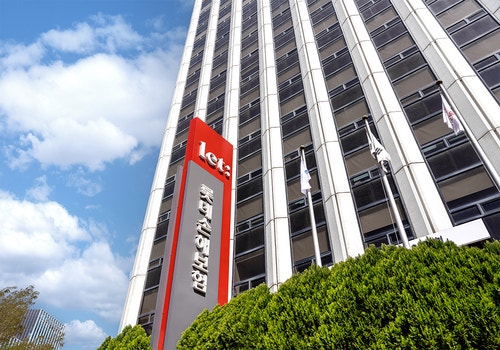 “연휴는 무슨 물밑 협상은 더 치열”…롯데손보·해태htb 9월말 MA 분수령 MA복덕방매일경제
 “‘1엔8.8원’짜리 스테이블코인이 37.6원에 거래”…비트 상장 첫날 JPYC에 무슨 일이 크립토360헤럴드경제
 글로벌 RWA시장규모 50조원 육박…올들어서만 85% 고속성장이데일리
 에브리싱 랠리 계속되나…원자재 펀드에 1.2조 뭉칫돈 투자톡한국경제
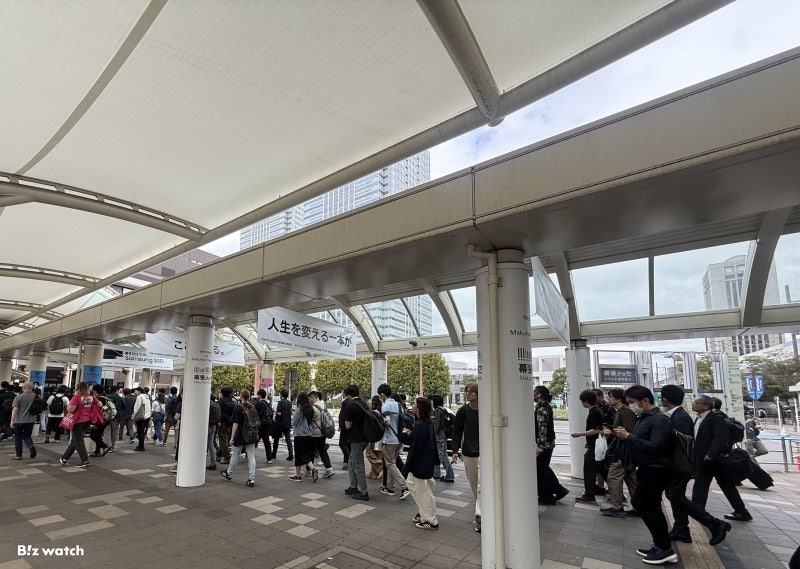 대기시간만 2시간…K게임 구름관중 모았다비즈워치
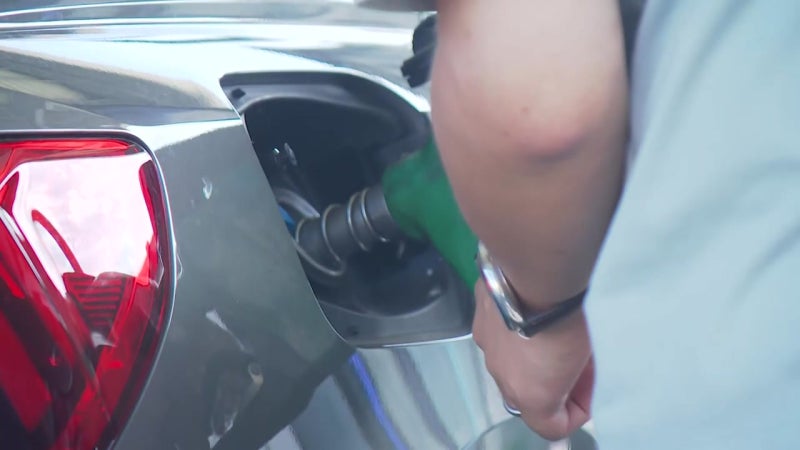 주유소 기름값 18주 연속 하락...명절 100원 인하YTN
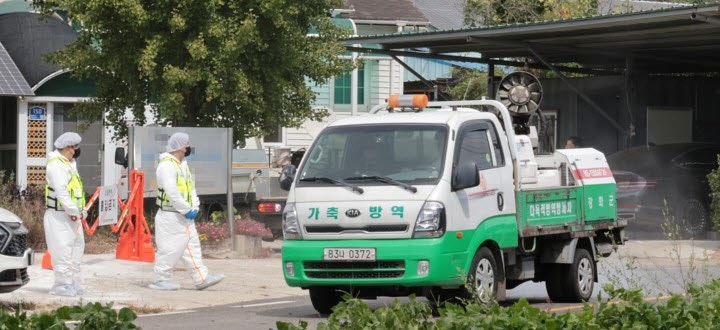 인천 강화 소 농장서 구제역 추가 확진…올해 13번째이데일리
 AI 거짓보고에 미중 전쟁 날 뻔…미군 작전 직전 중단MBN
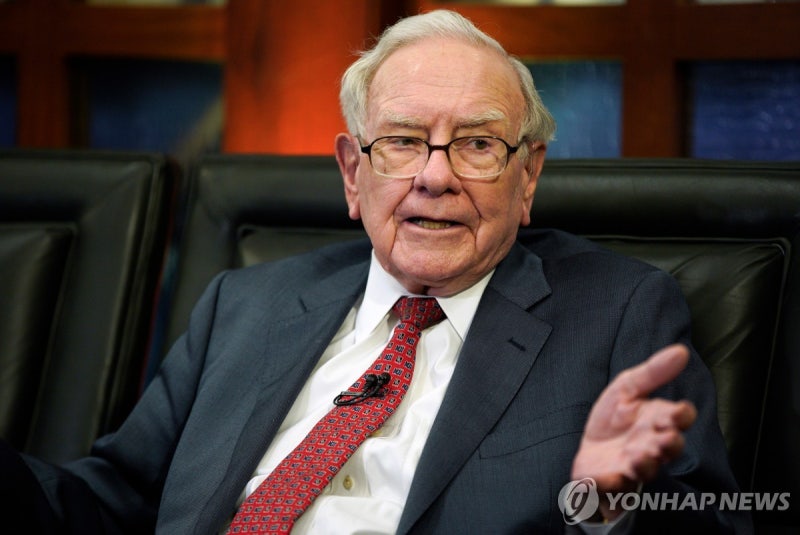 워런 버핏 버크셔 회장직 퇴진…시간은 언제나 승리한다한국경제TV