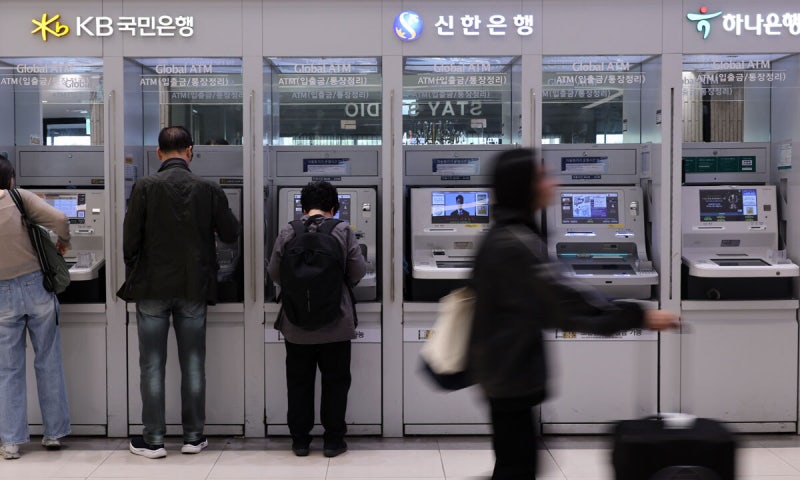
This is the Yroun Daily Briefing for October 4. Today's biggest issue is the AI-based hacking incident that struck the financial sector.
Show full transcript
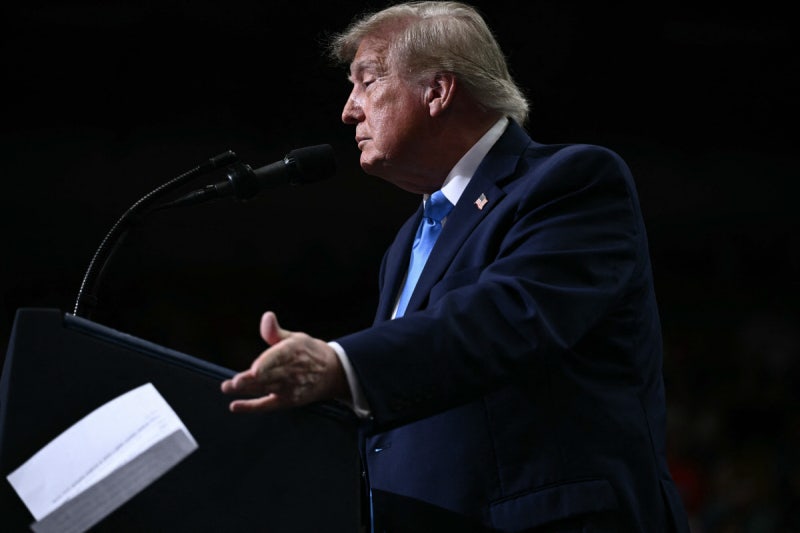
China-based AI agent attacks spread simultaneously across the entire financial industry, including Shinhan, KB Kookmin, Hana, and Welcome Savings Bank. President Lee Jae-myung ordered a thorough investigation, and the Ministry of Science and ICT recommended security checks for 28,000 companies while activating a 24-hour emergency response system. 359 attack infrastructures were confirmed worldwide, and damage was worsened by the fact that the inquiry-permission loophole, which the Financial Security Institute had warned about in advance, had been left unaddressed. However, Woori Bank and others equipped with multi-factor authentication and AI monitoring systems blocked the attacks, demonstrating the importance of security investment. At Korea Electric Power Corporation (KEPCO), personal information of roughly 24,000 employees was leaked, but customer information was not included. On the semiconductor front, the combined operating profit of Samsung Electronics and SK Hynix next year is projected to approach 1,000 trillion won. Third-quarter operating profit is expected to surpass 100 trillion won for the first time ever, but the growth rate has slowed somewhat due to the burden of performance bonuses. Samsung Electronics is also pushing forward with an advanced industrial complex in Yongin, investing 360 trillion won, to be operational in 2029. In the stock market, foreign investors net sold more than 20 trillion won on the KOSPI over the past month, causing SK Hynix's foreign ownership stake to fall below 50%. At SK Group, Chairman Chey Tae-won sold a 2.3% stake in SK, drawing attention to potential changes in the governance structure. On the Korea-US trade front, concerns are emerging that President Trump, who is unilaterally pressuring Korea with a 15% tariff, could expand it to as much as 25%. The ruling party is pushing back against pressure over Alaska LNG investment, and the $8.4 billion US crude oil investment project is absent from the government's official agreement, requiring confirmation of the circumstances. Household loans fell for the first time this year in September, mainly due to a decrease in credit loans. While exports are booming, real wages have fallen for four consecutive months and consumption has declined for two consecutive months, deepening hardship for ordinary households. In the real estate market, Seoul's jeonse (lease deposit) prices rose across all 25 districts, with Gangnam's three districts declining while a balloon effect spreads to outlying areas instead. In the auto industry, Hyundai Motor recorded its lowest sales performance in 16 years, with domestic sales at their worst level since the financial crisis. In fiscal policy, controversy is growing over a plan that would allow up to 30% of the 162 trillion won Future Response Fund to be spent without National Assembly approval. On prices, 24 out of 26 processed food items rose, with soup and stew products in particular rising by as much as 39%. However, gasoline prices fell for a 20th consecutive week, dropping to around 1,857 won per liter, offering a small comfort to ordinary citizens.
Today's market read
- Korean equities — money is leaning toward risk assets; price swings are around their usual range (close of 2026-10-02)
- Crypto — money is leaning toward risk assets; price swings are around their usual range (close of 2026-10-03)
Featured
- 심텍 222800 · trend_momentum · weeks장기 이동평균 위, 상승 흐름 유지. 위쪽에 남은 매물벽 없음, 신고가 부근.144,614.286 (-13.87%)
Cited sources
 정부 ‘금융권 해킹’에 비상대응체계 가동···기업 2만8천곳 보안점검 권고경향신문
 ‘전산망 빈틈’ 직원용앱 통로로 무차별 정보탈취 AI 금융권 동시다발 해킹세계일보
- 한국전력 2만4천 명 전체 직원 개인정보 외부 노출YTN
 삼전닉스 年 1000조 번다 전망에… 추가 주주환원 기대파이낸셜뉴스
 외인 한달간 코스피서 20조 팔자…하이닉스 지분율 보니아시아경제
 최태원과 나란히 김희영 9440억 판결 후 ‘첫 공식 동행’채널A
 선거 열세로 다급한 트럼프 투자 조건 ‘관세 15%’ 나몰라라경향신문
- “한·미는 동반자 지시 관계 아냐”…미 투자 압박에 여당 내부서 반발경향신문
 全금융권 9월 가계대출 잔액 2026년 들어 첫 감소세계일보
 외화내빈 한국 경제...실질임금·소비 동반 감소YTN
 매매시장 불길에 같이 타오른 외곽 전세… ‘전반엔 송파·강동 후반엔 성북·노원·강북’국민일보
 현대차 코로나 빼면 16년 만의 판매 한파…신차로 반전 노린다파이낸셜뉴스
 정부 162조 쌈짓돈 만들어줄 판…재경위 ‘국회 패싱 특례’ 반발매경
 국 39%↑ 컵밥 25%↑… 가공식품 가격 줄줄이 올라파이낸셜뉴스
 포토 휘발유값 20주 연속 하락국민일보
Get each edition where your morning already is
The daily edition on Telegram, with its sources.