This is Yroun's Daily Briefing for October 18. The National Pension Service recorded a loss of 182 trillion won on its held stocks, turning to its first loss in 7 quarters.
Show full transcript
Unrealized losses of 131 trillion won on Samsung Electronics and SK Hynix accounted for more than 70% of the total loss. The KOSPI rebounded after a sharp decline over 7 trading days, but experts said it is too early to conclude this marks a trend reversal. The U.S. Philadelphia Semiconductor Index fell for 8 consecutive trading days, nearing its longest losing streak since 1996. Meanwhile, SK Hynix is projected to post a record-high third-quarter operating profit of 77 trillion won. Expanded HBM4 supply and rising DRAM prices drove the results. However, concerns over a DRAM oversupply in 2028 were also raised, as China's CXMT accelerates its technological catch-up and the global top 3 memory makers expand capacity simultaneously. SK Hynix's U.S. sub-subsidiary Solidigm is pursuing a listing on the U.S. stock market next year, with expectations of securing funding for HBM investment clashing with concerns over shareholder value erosion from dual listing. The Bank of Korea is expected to freeze the base rate at its Monetary Policy Board meeting on October 22. Korea's trade surplus with the U.S. is projected to exceed 134 trillion won, as pressure from the Trump administration for tariff hikes and the risk of trade retaliation grow. The International Monetary Fund forecast that Korea's potential growth rate will rebound for two consecutive years for the first time in 40 years. However, semiconductor-sector concentration and deepening polarization were pointed out as challenges. At HD Hyundai Heavy Industries, wage and collective bargaining negotiations broke down, escalating into a partial strike by all union members, and the union branch leader began a high-altitude sit-in protest. The stock price plunged 56%, from the 800,000-won range to the 350,000-won range. Apartment prices in Seoul's Gangnam and Seocho districts fell for 10 consecutive weeks, while small-sized apartments recorded new record-high prices, forming a dual price structure. On the outskirts of Gyeonggi Province, apartment prices surged due to eased land transaction permit regulations and expectations of semiconductor performance bonuses. Areas such as Byeongjeom in Hwaseong rose by more than 300 million won within 3 months. The average monthly interest expense for households on jeonse (lump-sum deposit lease) rose to 210,000 won, a 144% surge over 7 years. In the first half of the year, corporate capital income accounted for nearly 80% of the increase in national income, while wage earners' income growth accounted for only 17%, highlighting income inequality. SK Group confirmed the continued tenure of Choi Chang-won, chairman of the SUPEX Council, deciding to keep pursuing management stability. In the financial sector, the heads of the 5 major banks appeared at the National Assembly audit following a chain of hacking incidents, and personal information leaks also occurred successively at GOPAX, Korea Electric Power Corporation, and Hollys Coffee. Transactions flagged for voice phishing detection also increased 101.7% year-on-year, deepening the crisis of trust in the financial sector.
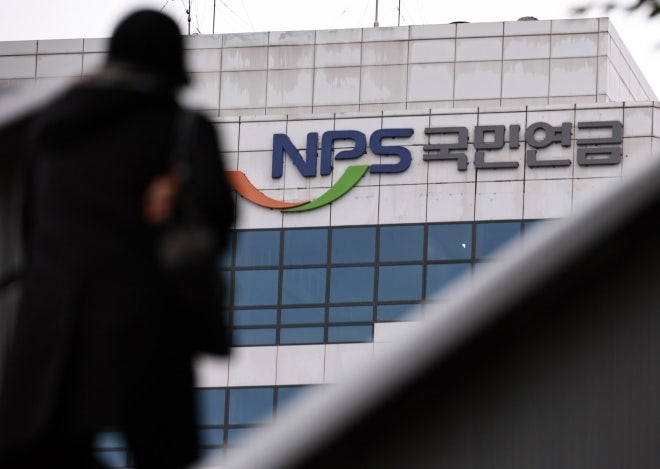 삼전닉스 폭락에… 국민연금 3개월 만에 182조 사라졌다서울신문
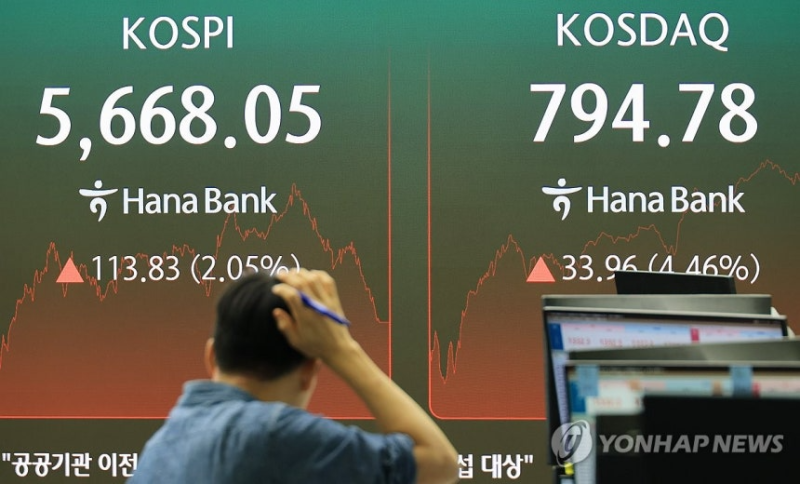 월요일엔 사도 될끼…폭락장 버틴 개미들에 전문가 조언은한국경제TV
 필라델피아 반도체지수 8일연속 하락…역대최장 경신 하루 남겼다매경
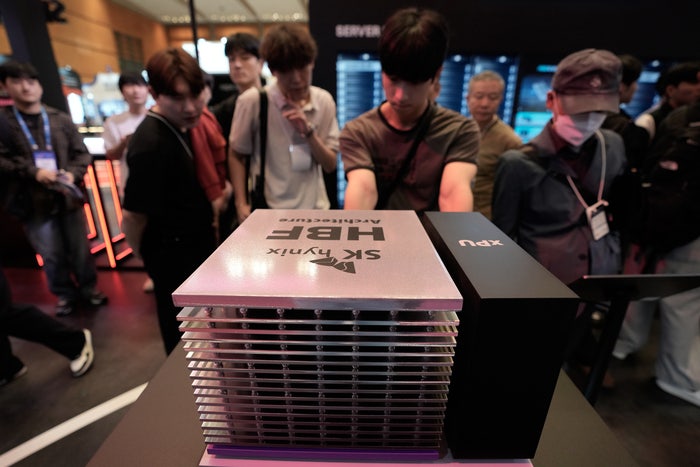
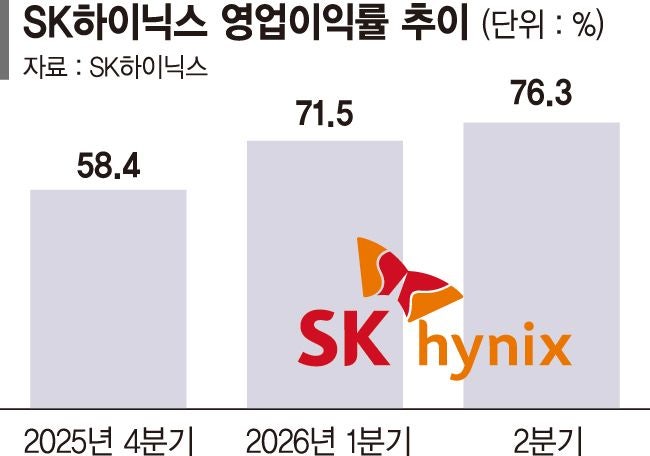 삼전 이어 SK하이닉스도 실적 잔치... 3분기 영업익 77조 역대 최대 전망파이낸셜뉴스
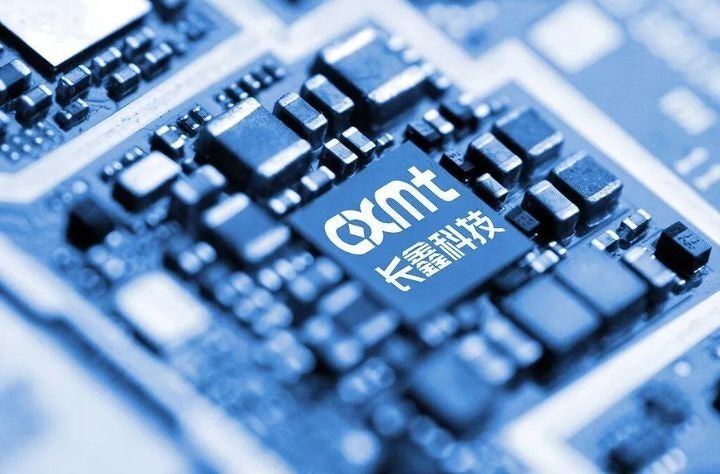 CXMT가 재점화한 2028년 메모리 피크론… “D램 쏟아진다”국민일보
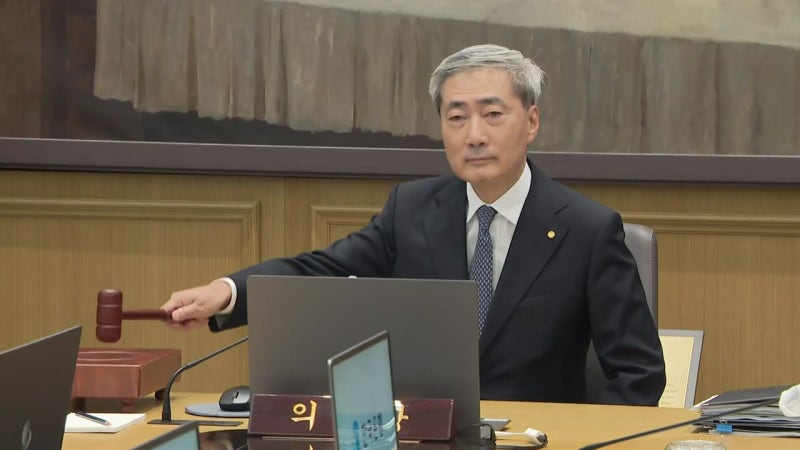 연거푸 올랐던 기준금리...10월엔 숨 고르기 전망YTN
 美 관세 무기로 투자 압박… 韓 원리금 회수 원칙 흔들리나 알래스카 투자 딜레마파이낸셜뉴스
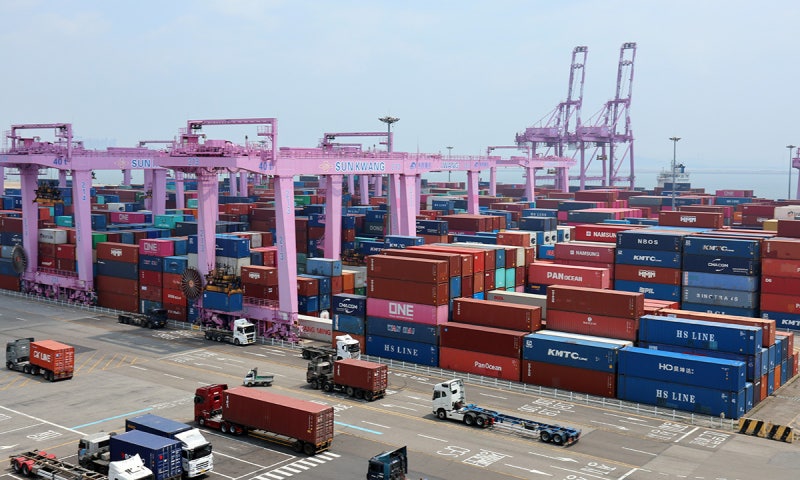 ‘반도체 후광’에 韓 잠재성장률 반등… 40년 만에 2년 연속 상승 전망세계일보
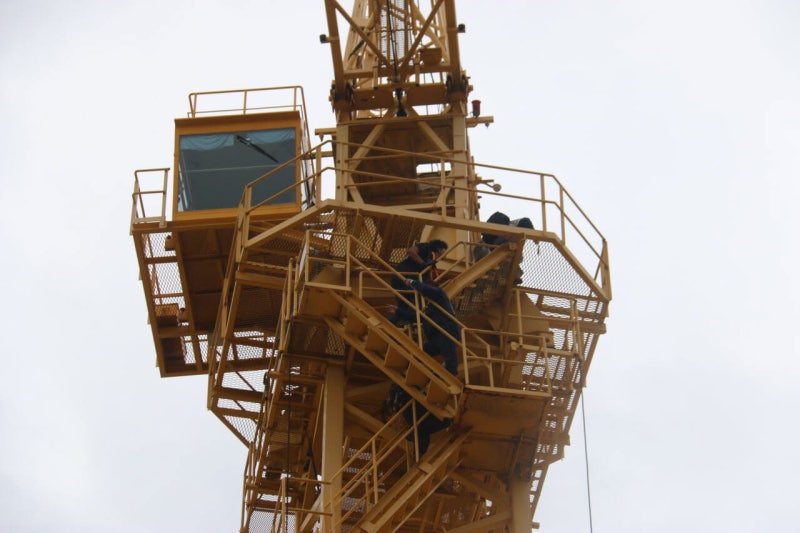 임단협 난항에…HD현대重 파업 늘리고 고공농성 돌입이데일리
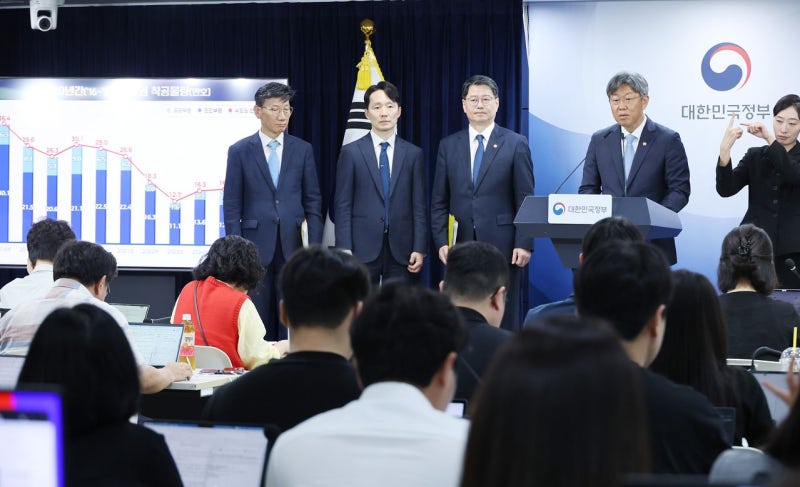 송파 8평 19.5억 찍었는데…“강남 집값 안정” 자평한 국토부중앙일보
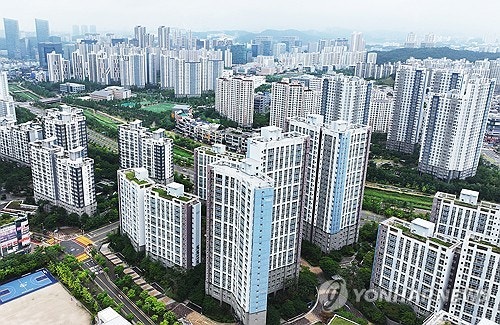 토허제·반도체 성과급에 경기 외곽 집값 들썩연합뉴스TV
 영끌족 66% 늘 때 세입자 144% 뛰었다…대출이자의 ‘반전’디지털타임스
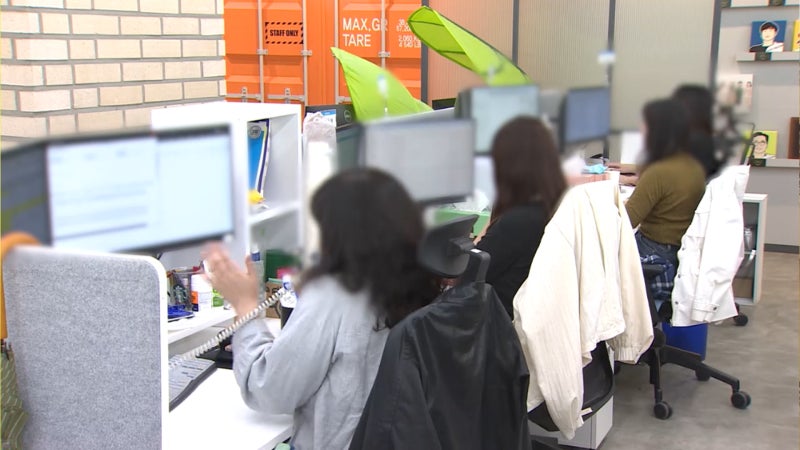 상반기 국민소득 증가분 80%는 기업 몫연합뉴스TV
 인사 속도내는 SK그룹…최창원 수펙스 의장 유임 가닥동아일보
 대규모 해킹 사태에 5대 은행장 전원 국감 출석조선비즈